
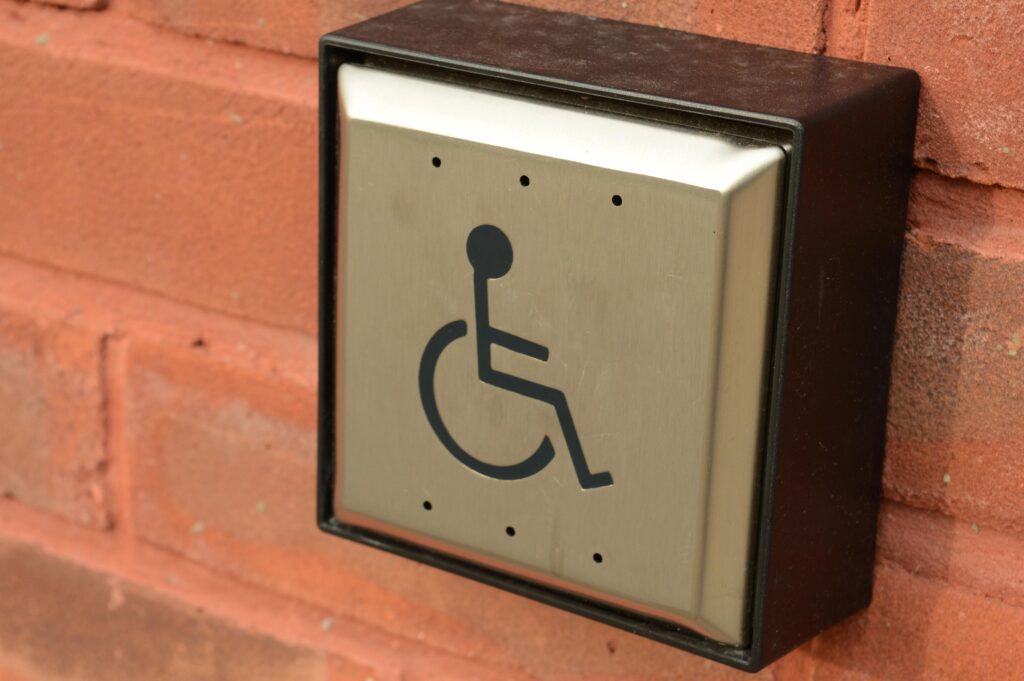
Handicap Door Opener Repair
When an entry system stops working the way it should, handicap door opener repair becomes more than a convenience issue. It becomes an accessibility issue, a safety issue, and in many cases a daily frustration for customers, staff, and visitors.
A properly functioning handicap door should open smoothly, respond consistently, and support safe entry without confusion or strain. That is why opener repair should never be treated like a guess-and-check job. It takes careful diagnosis, dependable door service, and a clear understanding of how the full opening is supposed to perform.
Handicap Door Openers and Automatic Door Systems
Many people use the terms interchangeably, but there can be a difference between handicap door openers and a general automatic door system. In many commercial settings, handicap openers are low-energy operators attached to swinging doors. They are often activated by a push plate, wall switch, or accessibility control. A full automatic door system may also include sliding doors, motion activation, and more complex control logic, depending on the building type and traffic patterns.
No matter the setup, the goal is the same. The opener has to respond correctly, the door has to move safely, and the opening has to operate properly every time someone uses it. If the system hesitates, opens too slowly, fails to latch, or does not respond at all, it is time to address the problem before it gets worse.
Automatic Door Opener Problems That Lead to Repairs
A faulty automatic door opener can show up in several ways. Sometimes the door does not open when the plate is pushed. Sometimes it opens halfway and stops. Sometimes the door opener runs, but the door drags, binds, or closes improperly. One common issue involves the activation device. The wall plate or push switch may be damaged, disconnected, or no longer communicating correctly with the operator. All require a professional fix.
Door Repair for Safety, Access, and Security
Good door repair is not only about getting the opening moving again. It is also about making sure the system is safe and predictable after the repair is complete. A poorly adjusted automatic door can open too aggressively, close too quickly, or fail to react to a person in the path of travel. That creates liability concerns and reduces trust in the entry.
For a business, that matters a lot. If customers expect a handicap door to work and it does not, the experience immediately feels frustrating and unprofessional. If the system compromises security by failing to close or latch correctly, that creates a different kind of problem. A reliable door service provider should look at both accessibility and security when performing this repair.
Handicap Door Installation and Long-Term Performance
Sometimes the problem is not just age or wear. It is a poor setup from the beginning. A weak or poorly configured handicap door installation can lead to repeated service calls, unreliable activation, and inconsistent operation. That is why both repair and installation matter. If the equipment was not correctly installed, even the best components can struggle.
A proper installation job should account for traffic flow, swing clearance, wall plate placement, operator strength, and the specific needs of the opening. The automatic opener has to match the size, weight, and use level of the door. The sensors, controls, and settings also have to be configured so the opening works as intended.
Automatic Door Manufacturers, Standards, and Service Expectations
Not all systems are built the same. Different automatic door manufacturers use different control boards, activation methods, adjustment ranges, and replacement parts. A technician who understands major automatic door manufacturers can diagnose problems more quickly and recommend the right service path based on the actual operator in place.
Standards also matter. Accessibility systems are often discussed in the context of code requirements, industry expectations, and guidance that may be associated with organizations such as the American Association, connected to accessibility awareness and usage discussions. While the exact compliance picture depends on the project and property type, one thing is consistent: a handicap door should be dependable, predictable, and safe for the people using it.
When to Fix, Replace, or Upgrade a Door Opener
Not every issue requires full replacement. In many cases, a professional repair can restore the system effectively if the operator is still structurally sound and replacement parts are available.
However, there are times when repair is not the best long-term choice. If the unit has repeated failures, outdated controls, poor part availability, or ongoing performance issues tied to age, replacing the door opener may make more sense. A newer automatic door opener may improve reliability, smoothness, and response consistency while reducing future door service needs.
Reliable Repairs Matter
At its core, repair services are about restoring safe, consistent access. It keeps a handicap door functioning the way people expect and need. It protects the user experience, supports accessibility, and helps your business present a safer and more dependable entry environment.
A quality door service provider will not just get the door moving again. They will make sure it is operating properly, check for related issues, and deliver the kind of service that helps the opening stay reliable after the repair is done. Call us today to get in touch with a company that lives and cares for the North Carolina community.